With their warm colors, stunning architectural details, and unmistakable appeal, Spanish style homes have been popular in the United States for well over a century. They're especially common in California and the Southwest, where Spanish architectural influences have helped shape residential design for generations.
But not all Spanish style homes look alike. From traditional haciendas with rustic wooden doors to modern homes with clean lines and minimalist interiors, there are several variations of this beloved architectural style.
In this guide, we'll explore seven types of Spanish style homes, what makes each one unique, and how you can bring a little Spanish-inspired beauty into your own home.
What Are Spanish Style Homes?
Spanish style homes are residential buildings inspired by the architecture of Spain and its historical influence throughout the Americas. Although their exact appearance varies depending on the region and time period, these homes share several recognizable features.
Some of the most common characteristics include:
-
Stucco exteriors: White, cream, and earth-toned stucco walls are especially common.
-
Red clay tile roofs: Terracotta roof tiles add warmth and character while reflecting traditional Mediterranean building practices.
-
Arched doorways and windows: Rounded arches are frequently used for entryways, windows, and covered walkways.
-
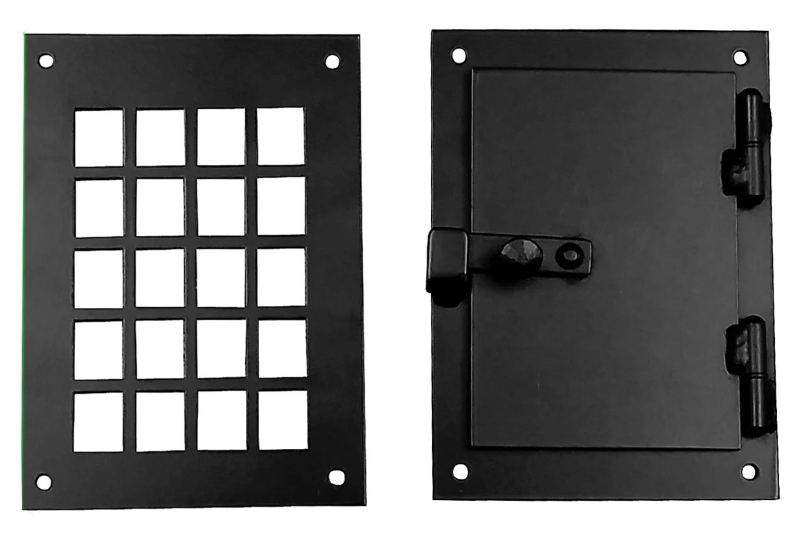
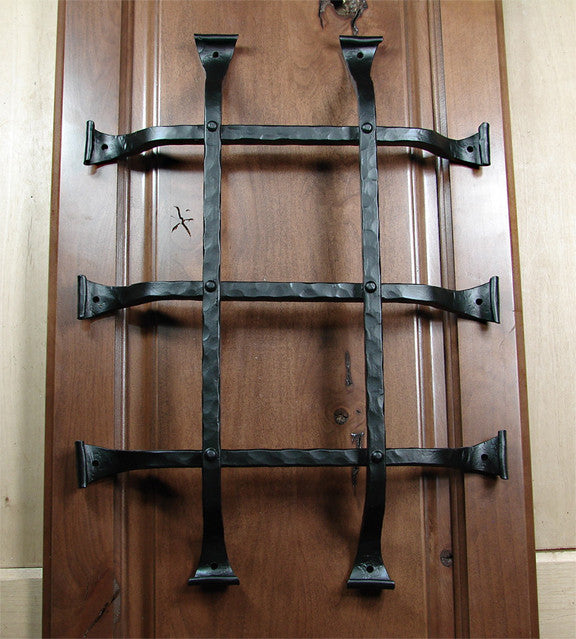
Wrought-iron details: Decorative ironwork appears on balconies, window grilles, gates, and doors.
-
Wooden doors and exposed beams: Heavy wood doors, often accented with decorative iron hardware, contribute to the style's rustic appeal.
-
Courtyards and patios: Outdoor living spaces are an important part of many Spanish-inspired home designs.
While these characteristics are common across Spanish architecture, different styles emphasize them in different ways.
7 Types of Spanish Style Homes
1. Modern Spanish Style Homes

Modern Spanish style homes combine traditional Spanish architectural features with the simplicity of modern design.
You'll still find familiar elements like stucco walls, terracotta roofs, and arched entryways, but they're often paired with larger windows, open floor plans, and more understated finishes.
The interiors tend to feel brighter and less ornate than those of traditional Spanish homes. Neutral colors, natural wood, and simple furniture are common, while decorative details are used more selectively.
For example, a modern Spanish home might feature white stucco walls, black-framed windows, and a large wooden front door with simple iron hardware.
2. Contemporary Spanish Style Homes

Contemporary Spanish style homes share many characteristics with modern Spanish homes, but they tend to take a more experimental approach to architecture and design.
Rather than closely following traditional Spanish building styles, contemporary homes borrow recognizable elements and combine them with current design trends.
You might see flat roof sections alongside traditional clay tiles, floor-to-ceiling glass doors opening onto a courtyard, or a combination of stucco, stone, and wood on the exterior.
Inside, contemporary Spanish homes often feature spacious layouts, minimalist finishes, and a strong connection between indoor and outdoor living areas.
3. Spanish Colonial Style Homes

Spanish Colonial style homes trace their origins to the period of Spanish settlement in the Americas, beginning in the 16th century.
These homes were generally built using locally available materials, including adobe, stone, and wood. Their designs were often practical and relatively simple, particularly in comparison to the more decorative Spanish Revival homes that came centuries later.
Common features include thick stucco or adobe walls, small windows, wooden ceiling beams, and interior courtyards.
Traditional Spanish Colonial homes also frequently feature heavy wooden doors, sometimes decorated with hand-forged iron hinges, nails, and door pulls.
4. Spanish Revival Style Homes

Spanish Revival style homes, also known as Spanish Colonial Revival homes, became especially popular in the United States during the early 20th century.
The style drew inspiration from historic Spanish Colonial architecture, but incorporated more decorative details and influences from other Spanish architectural traditions.
Spanish Revival homes are particularly recognizable for their white stucco exteriors, red tile roofs, arched windows, and ornamental ironwork.
Many also feature colorful ceramic tiles around staircases, entryways, and outdoor fountains. Carved wooden doors, decorative balconies, and intricate light fixtures are common as well.
The style became especially popular in California and Florida, where many Spanish Revival homes can still be found today.
5. Spanish Hacienda Style Homes

Spanish hacienda style homes are inspired by the large rural estates historically found throughout Spain's former colonies, particularly in Mexico and the American Southwest.
These homes are known for their rustic appearance, spacious courtyards, and use of natural materials.
Traditional hacienda architecture often features thick stucco walls, exposed wooden beams, terracotta flooring, and covered outdoor walkways.
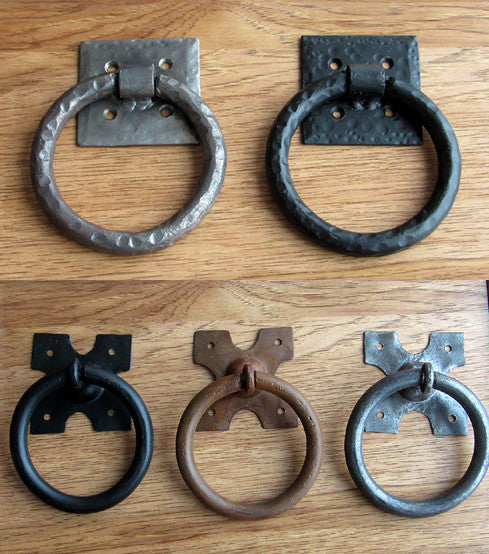
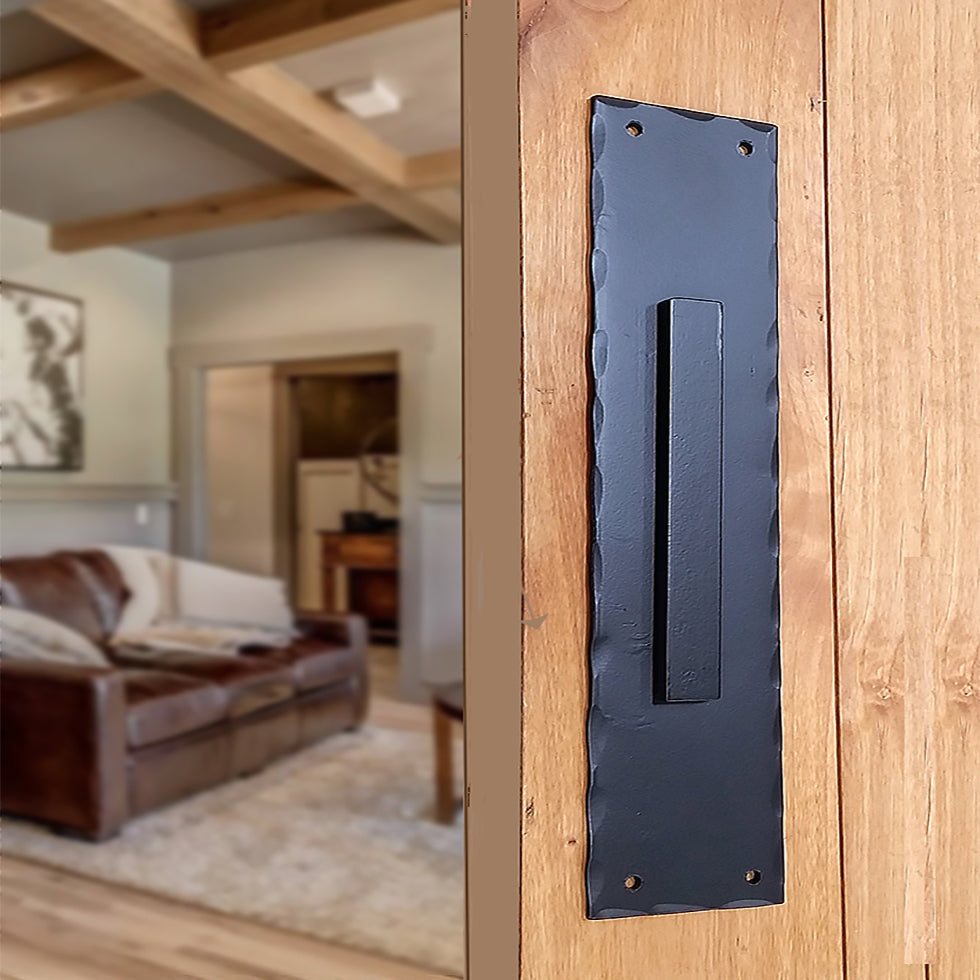
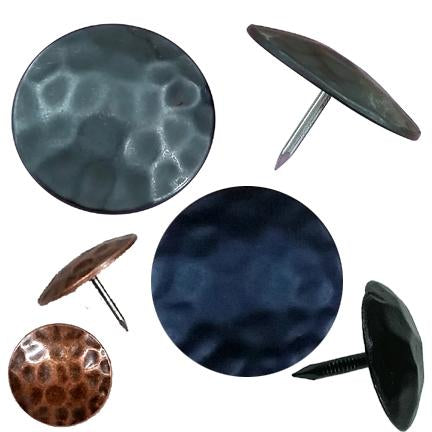
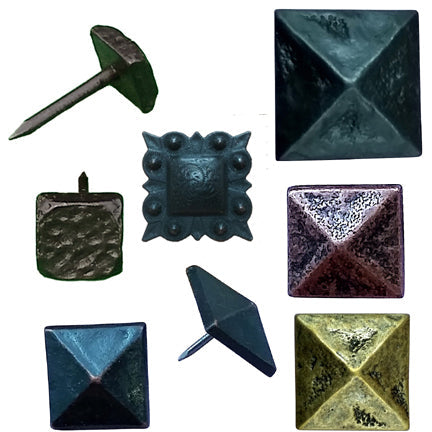
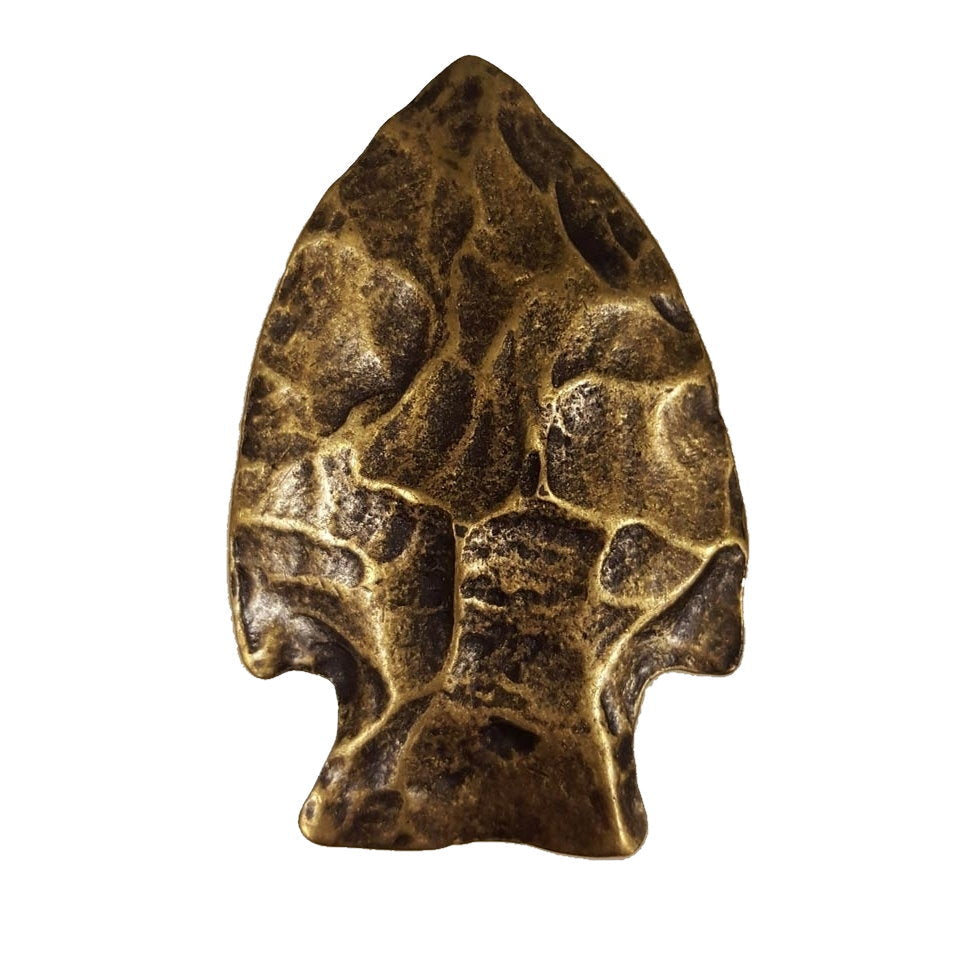
One of the most recognizable features is the use of large, heavy wooden doors accented with decorative iron hardware. Strap hinges, clavos, and oversized door pulls are particularly well-suited to this style.
Hacienda homes also tend to emphasize outdoor living, with central courtyards, shaded patios, and gardens serving as gathering spaces.
6. Monterey Colonial Style Homes

Monterey Colonial style homes originated in California during the 19th century, combining Spanish Colonial architecture with American building traditions.
Unlike many other Spanish-inspired homes, Monterey Colonial houses are typically two stories tall.
Their most distinctive feature is a long, covered second-story balcony, often extending across the front of the house. These balconies are usually supported by wooden posts and feature simple wood or iron railings.
Other common characteristics include stucco or adobe walls, low-pitched roofs, rectangular floor plans, and symmetrical window arrangements.
Compared to the decorative appearance of Spanish Revival architecture, Monterey Colonial homes tend to have a simpler, more understated look.
7. Mission Revival Style Homes

Mission Revival style homes take inspiration from the Spanish missions established throughout California and other parts of the American Southwest.
The style emerged in the late 19th century and became particularly popular during the early 1900s.
One of its most recognizable features is the use of curved parapets, which are decorative walls extending above the roofline. These often have rounded or bell-shaped outlines inspired by historic mission buildings.
Mission Revival homes also commonly feature smooth stucco exteriors, red clay tile roofs, arched openings, and covered walkways.
Although they share many characteristics with Spanish Colonial Revival homes, Mission Revival designs generally place greater emphasis on the distinctive shapes and architectural features associated with historic Spanish missions.
How to Incorporate Spanish Style Into Your Home
You don't need to live in a traditional Spanish Colonial or hacienda home to enjoy Spanish-inspired design. A few carefully chosen materials and architectural details can bring the same warmth and character to almost any space.
Choose Rustic Wood Doors and Decorative Hardware
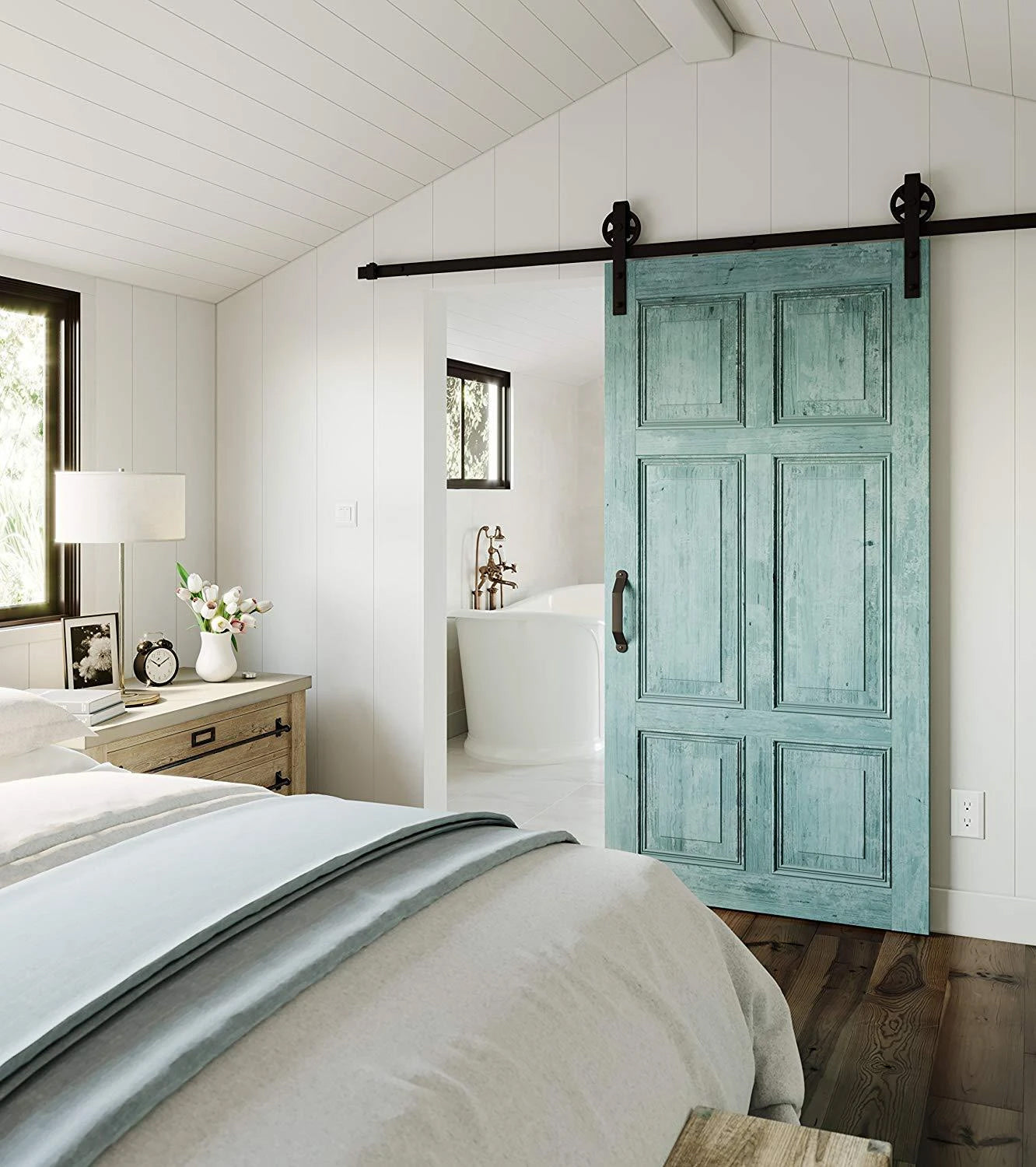
Wooden doors are one of the most recognizable features of traditional Spanish architecture, especially when paired with decorative iron hardware.
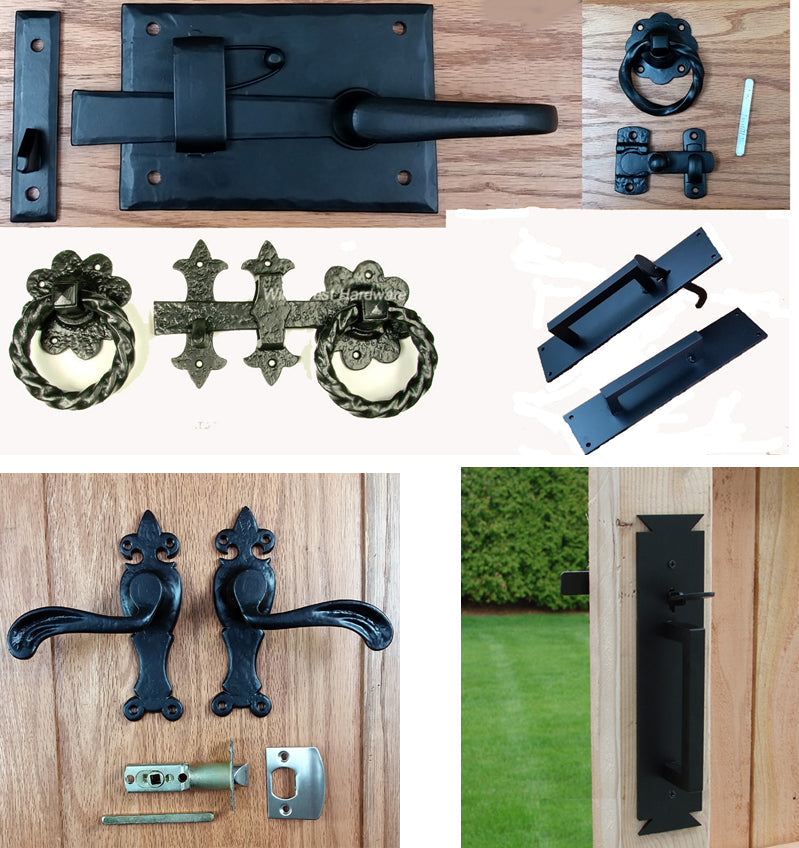
For a rustic hacienda or Spanish Colonial look, consider a solid wood entry door accented with wrought-iron strap hinges, decorative clavos, and an oversized door pull.
These details can also work beautifully on interior doors, courtyard gates, and wooden cabinets.
For modern or contemporary Spanish homes, you can achieve a similar look with simpler iron hardware that complements the home's more understated design.
Incorporate Wrought-Iron Accents
Wrought iron has long been an important decorative element in Spanish architecture.
Traditionally, it was used for window grilles, balcony railings, gates, lanterns, and door hardware. Today, these same details can help bring Spanish character into both traditional and modern homes.
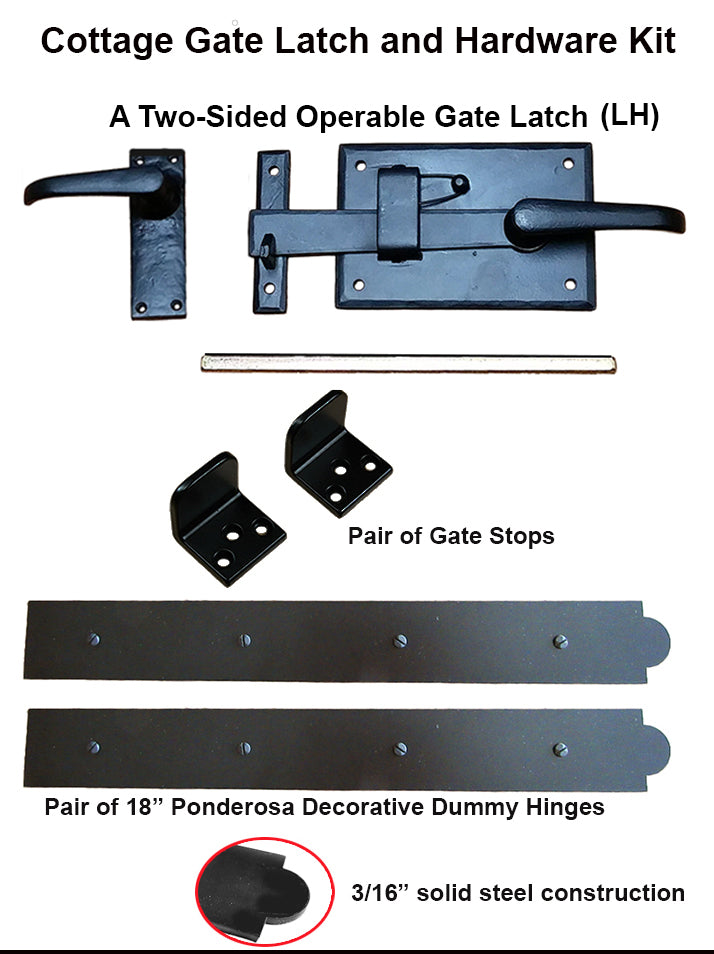
Consider adding decorative iron light fixtures near your entryway, installing iron cabinet pulls in the kitchen, or choosing a wooden gate with ornamental iron hinges.
Black iron finishes are particularly versatile, pairing beautifully with light stucco walls, natural wood, and terracotta.
Add Warm Colors and Natural Materials
Spanish-inspired interiors often feature warm, earthy colors and natural materials.
Terracotta, cream, rust, olive green, and warm brown are all excellent choices for creating a welcoming atmosphere.
You can also introduce Spanish character through materials like ceramic tile, natural stone, exposed wood, and textured plaster.
For a more traditional look, try colorful patterned tiles, dark wooden furniture, and rustic finishes. If you prefer modern Spanish design, stick with a more neutral palette and use natural materials to add warmth without overwhelming the space.
Find Your Inspiration in Spanish Style Homes
While each style has its own distinctive features, they all share an appreciation for natural materials, beautiful craftsmanship, and thoughtful architectural details.
If you're looking to bring some of that character into your own home, even small updates can make a difference. Explore Wild West Hardware's collection of decorative door hardware, including strap hinges, clavos, and rustic door pulls, to find the perfect finishing touches for your Spanish-inspired space.