

If you want to see who's outside your door without opening it first, a door viewer is one of the simplest ways to do it. It doesn't require Wi-Fi, batteries, or any complicated technology, and once installed, there's very little you need to do besides look through it.
This guide covers everything you need to know about door viewers, including what they are, how they work, the different types available, and what to consider when choosing one for your door.
What Is a Door Viewer?
A door viewer is a piece of hardware that lets you see who or what is on the other side of a door without fully opening it. Door viewers are commonly installed on front doors, apartment doors, and some commercial entrances.
Types of Door Viewers
Standard Door Viewers
Standard door viewers are the traditional peephole-style option. They use a small lens installed through the door to give you a direct view of the person or area outside.
Wide-Angle Door Viewers
Wide-angle viewers use lenses designed to show more of the area outside the door. They're especially useful when you want visibility beyond the person standing directly in front of you.
Door Viewers With Privacy Covers
Some models include a small cover over the interior lens. The cover stays closed when the viewer isn't being used, providing additional privacy from the outside.
Hinged Iron Door Viewers
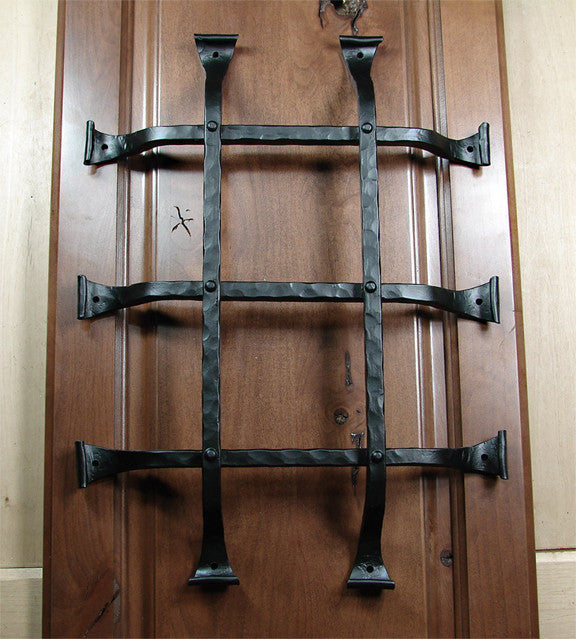
Hinged iron door viewers are larger openings installed directly into the door that can be opened from the inside to see or speak with someone outside. They're often paired with a decorative iron grille, creating the traditional speakeasy-style door viewer commonly found on Spanish, Mediterranean, rustic, and Craftsman-style doors.
Heavy-Duty Door Viewers
Heavy-duty door viewers are made from more substantial materials for doors that require extra durability. This can include solid iron and steel hinged viewers as well as reinforced optical viewers.
Note: Always check the product specifications and required door dimensions before choosing one.
How to Choose the Right Door Viewer
-
Door thickness: Door viewers are designed to fit a specific range of door thicknesses. Measure your door first and make sure it falls within the manufacturer's listed range.
-
Viewing angle: The viewing angle determines how much of the area outside you'll be able to see. A wider angle provides greater visibility around the entrance rather than limiting your view to what's directly ahead.
-
Hole size: Check both the dimensions of the viewer and the required installation hole. This is especially important if you're replacing an existing door viewer and want to use the same opening.
-
Privacy cover: Some door viewers include a privacy cover that blocks the opening or interior lens when the viewer isn't in use. If privacy is a priority, look for a model with a built-in cover that can be easily opened from inside the door.
-
Finish: Pick a finish that matches your other door hardware for cohesion and general curb appeal.
Where Should a Door Viewer Be Installed?
A door viewer should be installed at a comfortable eye level for the people who will use it most often. There isn't one height that works for every household, so consider who needs to use the viewer before drilling into the door.
In most cases the viewer is centered horizontally, but decorative panels and existing door hardware can affect the best placement.
Final Words
Whether you're adding a simple peephole to your front door, upgrading to a digital model with night vision, or blending aesthetics and functionality with a hinged version, a door viewer is an easy way to see who's there before you open up.
Browse Wild West Hardware's selection of door viewers to find the right option for your entryway.